Build a Short Video Script Around One Demonstrable Idea
A short video has little room for the viewer to work out what you mean. A useful script gives them a recognisable situation, one visible idea and a simple result. This guide provides an original planning framework for TikTok, Shorts or another vertical format without claiming that a hook guarantees distribution. The example is a reusable packing checklist: a modest task that can be demonstrated honestly with ordinary materials and clear on-screen information.
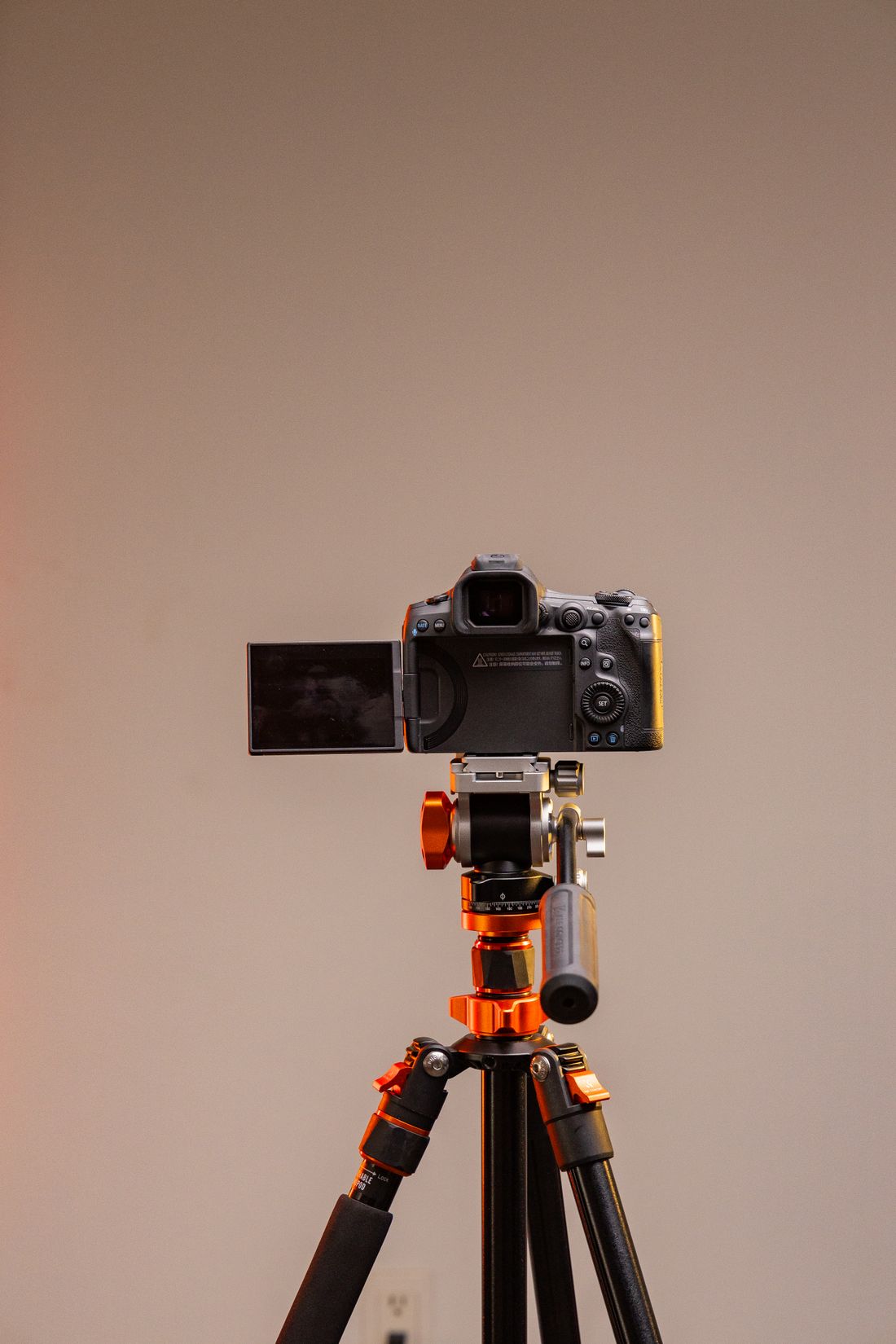
Photo: Amar Preciado · License. Illustrative stock photography.
Choose an idea small enough to show
A broad topic such as travel preparation contains too many decisions for one concise demonstration. Narrow it to how I stop forgetting a charging cable when packing for a weekend. Write the single takeaway before drafting the opening. If you need three disclaimers and five exceptions to make the claim accurate, choose a smaller idea or make a longer piece. A useful short can stand alone without pretending to be comprehensive. Do not call a personal routine the best method for everyone or suggest that a simple checklist eliminates every travel problem.
Draft an honest opening line
An original opening could be: I kept packing the charger and forgetting the cable, so I added this two-part check. The line names a specific problem and sets up something the viewer will see. Avoid a fabricated personal story; if the example is a demonstration rather than your experience, say so. Remove phrases such as nobody tells you or this changes everything unless you can support them. Show the relevant object immediately so the viewer can understand the situation even before reading a long caption or description.
Map words to three clear visual beats
Use a simple draft: beat one, show the incomplete packing list; beat two, add separate charger and cable boxes; beat three, place both items beside the bag and tick them. Write the spoken line beside each beat. Capture an original close-up that proves the change rather than relying on generic stock footage. Include the objects, camera angle and any on-screen wording in your notes. If the action needs more time, shorten the narration instead of speeding the demonstration until it becomes impossible to follow.
Use text that supports the message
A short label can make the idea easier to scan: charger plus cable, checked separately. Keep important text clear of the interface areas you see in the actual platform preview, and avoid assuming one fixed safe zone works on every device. Do not fill the entire screen with several competing headlines. Captions should represent the speech accurately rather than replacing it with unrelated sales copy. TikTok provides caption tools, but availability and interface details can change; review the current app and check the resulting words rather than assuming automatic transcription is perfect.
End with a useful payoff
Show the packed pair and the completed checklist. An original closing line is: One item on my list became two checks, so I can see what is missing before I close the bag. If you invite an action, make it proportionate: add a separate cable line to your own packing list. Do not force a loop that cuts off the answer or withhold the useful step just to make people watch again. A clear ending helps the video deliver what its opening promised, regardless of the eventual view count.
Create a version record and learn from real response
Save the final script, caption text and source files under one content ID. Record the published platform and date so later edits do not become a folder of nearly identical exports. If viewers repeatedly misunderstand a step, note the exact question and clarify the next version. Do not equate every low-view post with a bad idea or every high-view post with a reliable lesson. Review the actual content and audience response together. The framework is a way to organise a clear demonstration, not a claim about current platform algorithms or predictable growth.
Your working checklist
Checkmarks stay in this browser when storage is available. They do not submit a form or complete a booking.
Put it into practice
- Write one takeaway and choose an action you can demonstrate honestly. Remove secondary topics that would force the short to make an incomplete or exaggerated claim.
- Draft the opening, three visual beats and payoff. Pair each sentence with what the viewer sees and gather the actual objects or screen material required.
- Film the sequence and review captions, text placement and pacing in the intended platform preview. Replace unclear footage instead of disguising it with rapid effects.
- Save the published version with its script and caption record. Use specific viewer questions to improve the explanation, without treating the format as a guarantee of reach.
Before you finish
- One clear takeaway fits the whole sequence.
- The opening story and demonstration are truthful.
- Text remains readable in the intended viewing context.
- Automatic captions have been manually reviewed.
- The ending delivers the promised idea without withholding a step.
Common questions
Do I need a dramatic hook?
You need a clear reason to watch. A precise problem and visible demonstration can provide that reason without manufactured urgency or an exaggerated promise.
Should every short use a trend?
No. Use a format or sound only when it suits the idea and you have the necessary permission. A trend does not replace an understandable message.
Can I use the same export everywhere?
Sometimes, but review each platform's current presentation, caption handling and music permissions. A file that looks clear in one preview may be obscured by interface elements elsewhere.